

Many people notice that their eyes feel gritty, itchy, or tired as the weather turns cold. Dry eyes in winter are very common. Cold air, low humidity, indoor heating, and long hours on screens can all leave the eye surface less comfortable.
Winter is rarely the only cause, though. For some people it simply makes an existing tear problem easier to notice. This guide explains why dry eyes get worse in winter, the symptoms to look for, simple ways to ease discomfort, and when it is time to see an eye doctor.
What Are Dry Eyes?
Dry eye syndrome (dry eye disease) develops when your eyes do not make enough tears, or when the tears evaporate too quickly or are of poor quality.
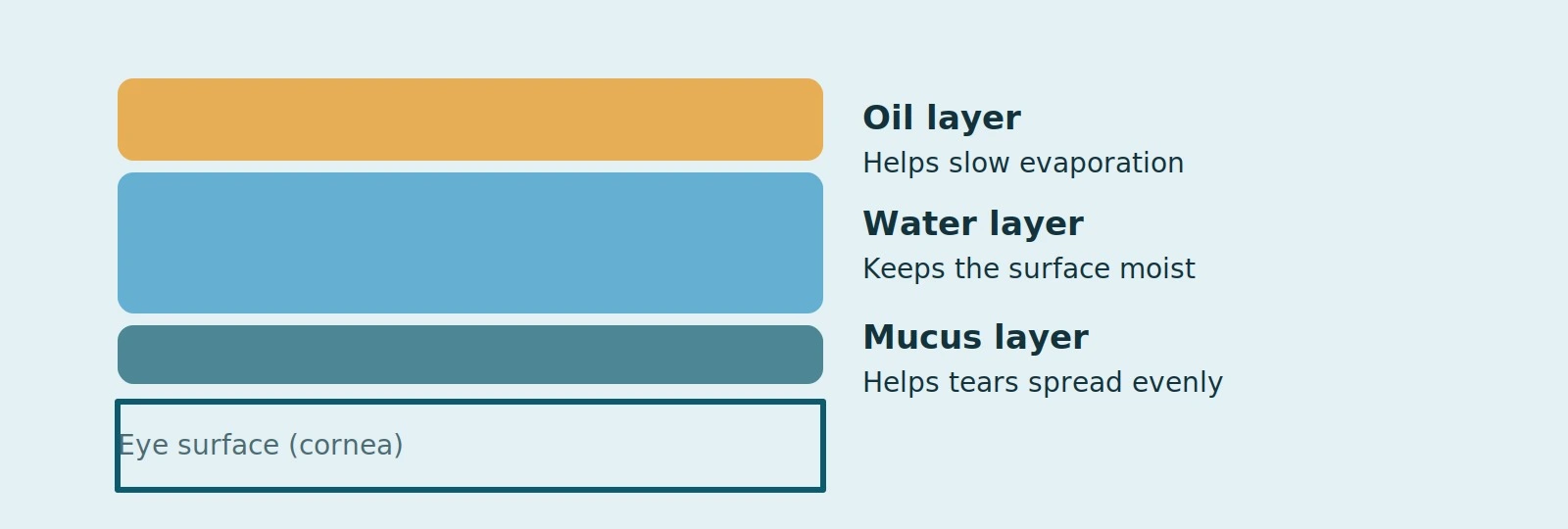
Tears are more than water. The tear film has oil, water, and mucus layers that work together to keep the eye surface smooth, comfortable, and protected. If any layer is disturbed, the surface can become irritated and vision may be affected.
Why Do Dry Eyes Get Worse in Winter?
Several winter factors can strain the tear film:
- Cold winds and low humidity: Dry outdoor air makes tears evaporate faster.
- Indoor heaters and air conditioning: Warm, dry indoor air, or a blast of air directed at your face, can dry the eye surface.
- Reduced blinking: We blink less when focused on a phone, laptop, or television. Fewer blinks mean less tear spread across the eye.
- Contact lens wear: Lenses can feel uncomfortable when the eyes are already dry.
- Age and medications: Tear production can change with age, and some medicines can contribute to dryness.
- Eyelid or tear-film problems: Conditions such as blocked oil glands in the eyelids can make tears evaporate too quickly.
Winter weather can trigger or worsen symptoms, but persistent dry eye often has more than one cause. That is why ongoing symptoms deserve a proper examination.
Common Symptoms of Dry Eyes in Winter
Dry eye symptoms in winter can include:
- Burning or stinging
- A gritty feeling, as if something is in the eye
- Redness and irritation
- Blurred or fluctuating vision that may improve after blinking
- Sensitivity to light
- Tired eyes, especially after screen use
Why Are My Eyes Watery If They Are Dry?
This confuses many people. When the eye surface is irritated, the eye may produce a rush of watery tears as a reflex. These tears are mostly water and do not have the balanced oily and mucus layers needed to keep the surface comfortable. So burning eyes and watery eyes in winter can both come from dryness.
Who Is More Likely to Experience Dry Eyes?
Anyone can develop dry eyes, but you may be more likely to if you:
- Are an older adult
- Spend long hours on screens, such as office workers and students
- Wear contact lenses
- Are often exposed to wind, dust, or dry indoor air
- Have certain medical conditions or take medicines that reduce tear production
Dry eyes are no longer only an older person's problem. Younger adults are increasingly affected as well, as explained in our article on why more young adults are experiencing dry eyes.
Effective Ways to Manage Dry Eyes in Winter
These general measures can help many people feel more comfortable. They support comfort but are not a cure for dry eye disease.
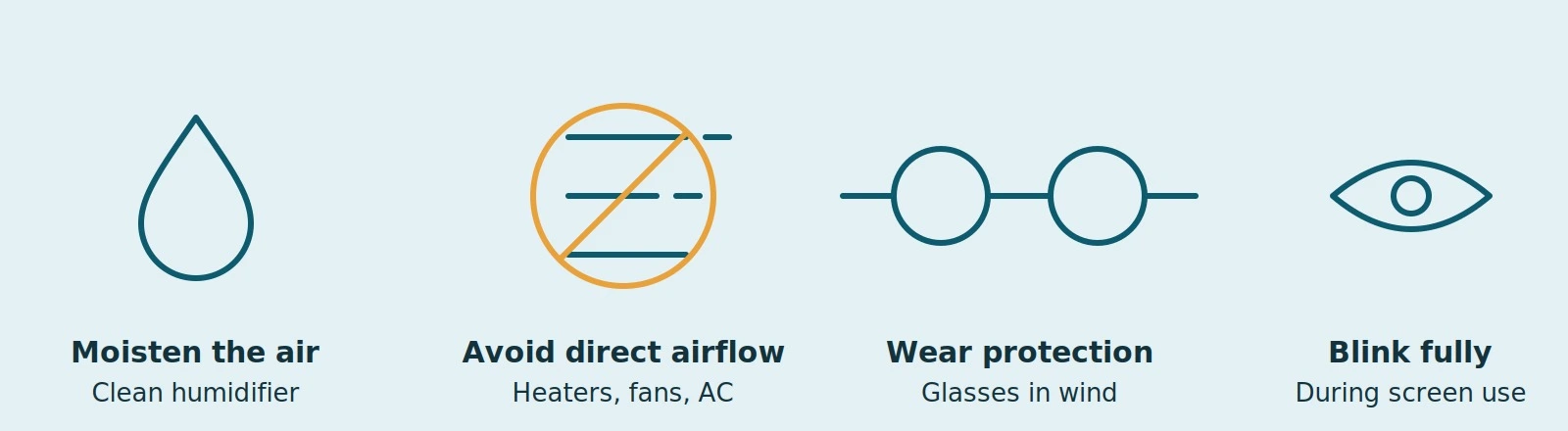
- Add moisture to indoor air. A clean humidifier can help when the air is very dry. Clean it regularly, because a dirty one can cause its own problems.
- Avoid direct airflow. Keep heaters, fans, and air conditioners from blowing at your face.
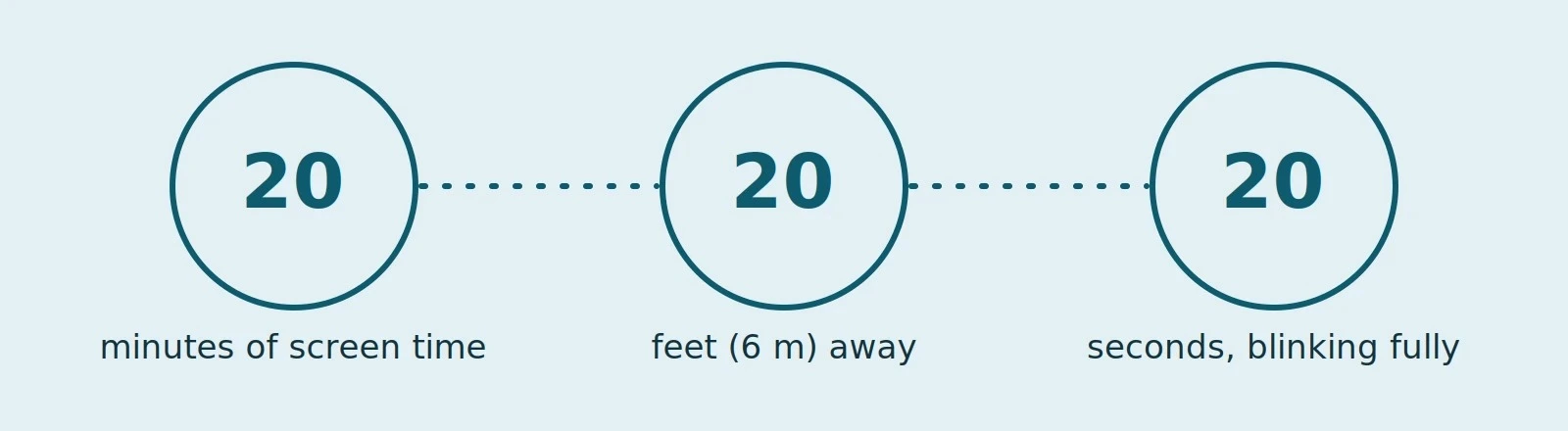
- Take screen breaks and blink fully. Try pausing every 20 minutes to look into the distance and blink deliberately.
- Protect your eyes outdoors. Wraparound or protective glasses reduce wind exposure, especially on a two-wheeler.
- Stay hydrated and eat a balanced diet.
- Follow contact lens hygiene. Wear lenses only as long as advised, and ask your doctor whether a break from lenses would help.
- Check before using drops. Lubricating eye drops suit many people, but the right type and frequency vary. Ask an eye-care professional before using them regularly.
Dry Eye Treatment Options
Dry eye treatment depends on the cause and severity. Because one person's dryness may come from reduced tear production while another's comes from blocked eyelid glands, the same treatment will not suit everyone.
After an examination, an eye doctor may recommend:
- Lubricating drops or gels to relieve discomfort and support the tear film
- Treatment for eyelid inflammation or meibomian gland dysfunction, which affects the oily layer of tears
- Prescription treatments to reduce inflammation or support tear function, when appropriate
- Procedures such as punctal plugs, which help conserve natural tears in selected patients
- Lifestyle and environment guidance, along with follow-up to adjust treatment over time
If you are looking for dry eye treatment in Lucknow, Vision Clinic offers dry eye evaluation and treatment under Dr. Richa Tripathi, including assessment of tear function and personalised management. Dryness that comes with redness, swelling, or chronic irritation may also involve ocular surface disease, which needs its own evaluation.
Repeated self-treatment with whatever drops are at hand is not a good long-term plan. If symptoms keep returning, an eye examination is the better next step.
When Should You See an Eye Doctor?
Book an eye examination if you have:
- Eye irritation that keeps coming back
- Persistent redness or discomfort
- Fluctuating or blurred vision
- Little relief from simple measures or over-the-counter drops
Seek urgent medical assessment for severe eye pain, marked redness, significant light sensitivity, or a sudden change in vision. These can signal conditions other than dry eye, such as an eye infection, that need prompt attention.
Conclusion: Protect Your Eyes This Winter
Dry eyes in winter are common and often manageable. Moisten dry indoor air, avoid direct airflow, blink consciously during screen use, protect your eyes outdoors, and follow good contact lens habits. If symptoms keep returning, or if you notice persistent redness or changing vision, have your eyes examined rather than relying on repeated self-treatment.
If you are in Lucknow, Vision Clinic – Dr. Richa Tripathi in Vrindavan Yojana offers eye-care consultations, including dry eye treatment in Lucknow. You can book an appointment through the clinic's website.
Frequently Asked Questions
Ready to check your child's eyes?
Book an appointment with Dr. Richa Tripathi at Vision Clinic today.
Disclaimer: This article is for general educational purposes and does not replace a professional eye examination or personalised medical advice.